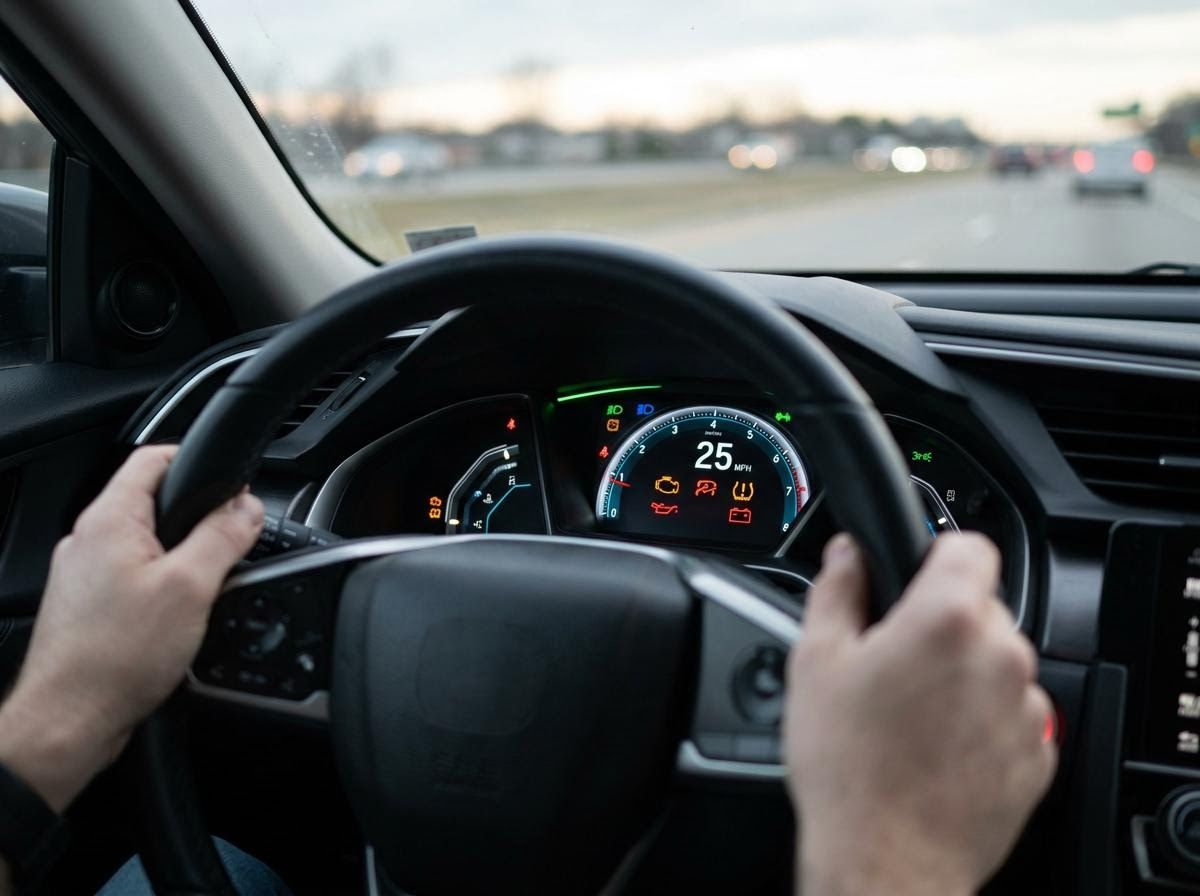
Your car’s dashboard is a sophisticated communication hub, constantly relaying vital information about your vehicle's health. While many New Jersey drivers recognize the fuel gauge or high-beam indicator, other illuminated symbols can often cause confusion and anxiety. Understanding these signals is crucial for maintaining your vehicle's longevity and ensuring your safety on the road, and at Flemington Auto Care, we believe transparent information empowers our customers.

The Dashboard's Color-Coded Language
Think of your dashboard lights as a traffic light system for your car’s internal functions. Generally, these lights follow a simple color code. Red lights often indicate a serious problem that requires immediate attention and might mean you should safely stop driving as soon as possible. Yellow or orange lights are warnings, suggesting that a component needs inspection or service soon, but typically aren't an immediate emergency. Green or blue lights are usually informational, like your high beams being on or your turn signals flashing. Knowing this basic color scheme can help you quickly assess the urgency of any illuminated warning.
Common Warning Lights and Their Meanings
Among the most frequently seen yellow/orange warnings is the Check Engine Light (CEL). This light can signal anything from a loose gas cap to a more serious engine problem, making professional diagnosis essential. Another common one is the Tire Pressure Monitoring System (TPMS) light, which indicates that one or more of your tires may be significantly underinflated, affecting handling and fuel efficiency. You might also encounter the Anti-lock Braking System (ABS) light, which signals an issue with your vehicle's anti-lock brakes, though your regular brakes should still function. Ignoring these lights can lead to more significant issues down the road.
Why You Shouldn't Ignore a Warning Light
It’s easy to dismiss a dashboard warning, especially if the car seems to be driving fine. However, ignoring these indicators can lead to minor issues escalating into major, costly repairs. For instance, a persistent check engine light could be a symptom of a problem that, if left unaddressed, could damage catalytic converters or reduce engine performance. Proactive attention to these warnings can prevent breakdowns, improve fuel economy, and extend the life of your vehicle. It’s always best to have an auto repair shop perform a diagnostic check to pinpoint the exact cause of any illuminated warning.
Taking Action When a Light Comes On
When a dashboard light illuminates, the first step is to avoid panic. Consult your owner’s manual; it provides specific details about each symbol and recommended actions for your particular make and model. For red lights, the safest course of action is often to pull over when it is safe to do so and assess the situation or call for assistance. For yellow or orange lights, schedule an appointment with a trusted professional soon. Getting a timely diagnosis from a Flemington mechanic can save you time, money, and stress in the long run.