
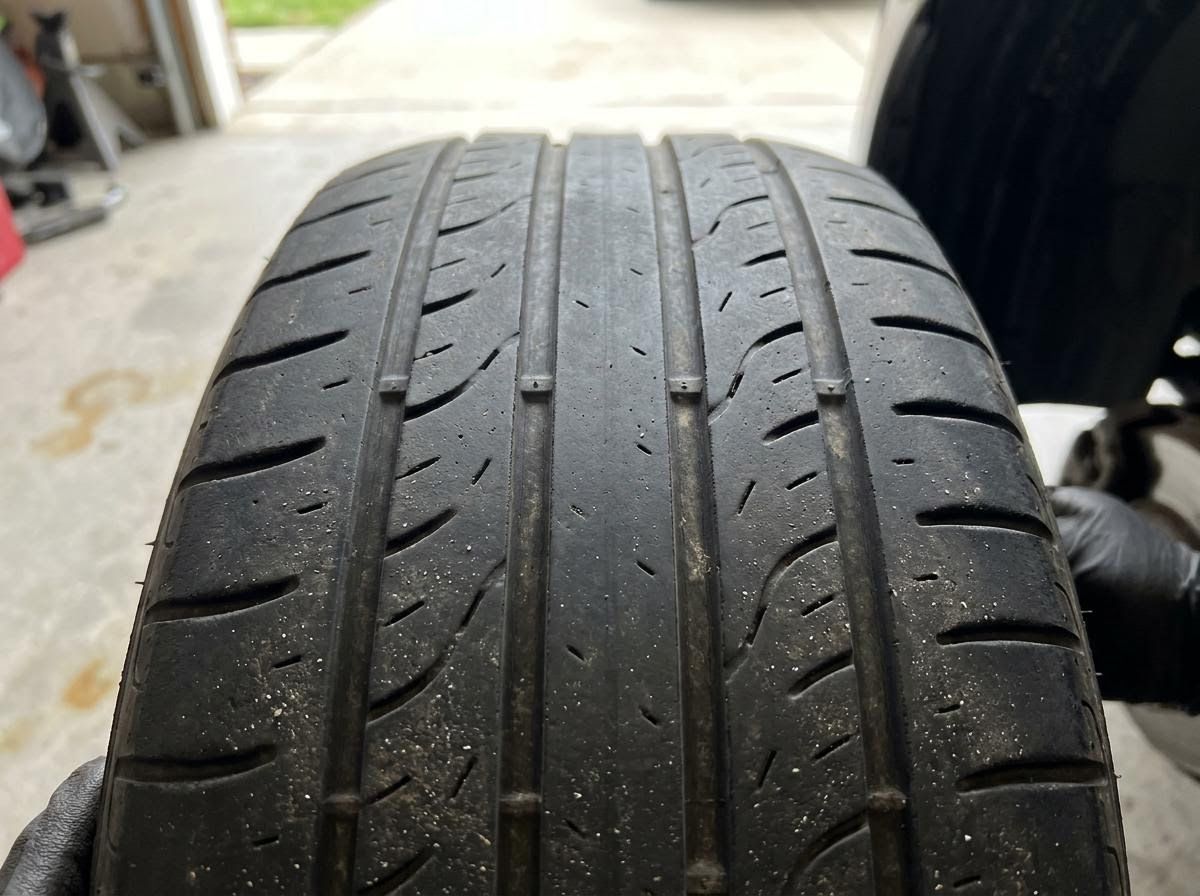
Your tires are more than just rubber on the road; they're vital safety components that can offer clear insights into your vehicle's overall health. Learning to read the subtle messages your tires are sending can prevent bigger, more costly issues down the line, ensuring your car remains reliable and safe. At Flemington Auto Care, we believe in empowering our customers throughout New Jersey with knowledge, and understanding tire wear is a key part of proactive vehicle ownership.
Understanding Normal vs. Abnormal Wear
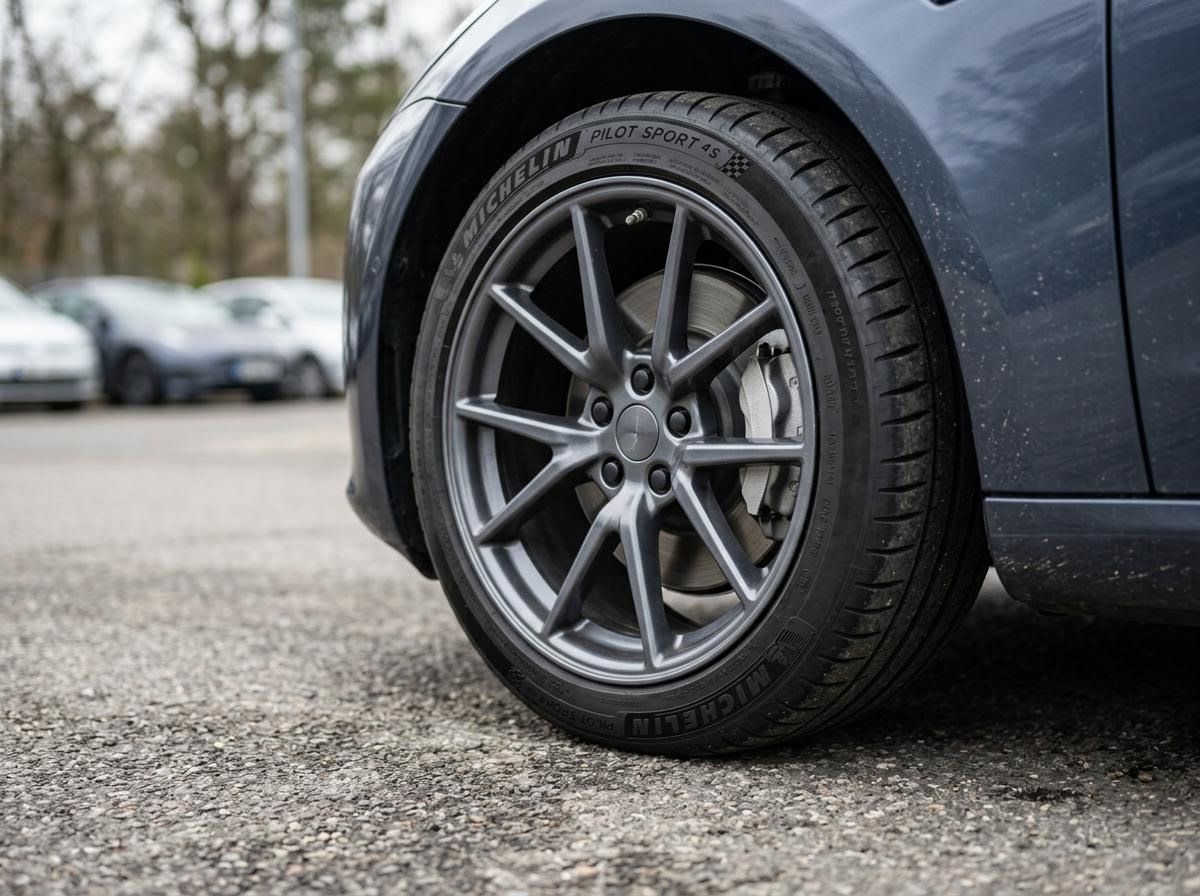
Ideally, your tires should wear down evenly across their tread surface. This "normal wear" indicates that your tires are properly inflated, your vehicle's alignment is correct, and your suspension components are in good working order. However, many factors can lead to uneven wear patterns, each telling a distinct story about an underlying problem. Spotting these abnormalities early can save you from premature tire replacement and potential safety hazards.
Decoding What Specific Patterns Mean
Different wear patterns point to specific issues:
Wear on Both Edges (Shoulder Wear): If you notice that both the inner and outer edges of your tire are wearing down faster than the center, this is often a sign of underinflation. Low tire pressure causes the tire to sag, putting more pressure on the shoulders and less on the middle tread. This not only reduces tire life but also negatively impacts handling and fuel efficiency.
Wear in the Center: Conversely, excessive wear in the center of the tread is typically a symptom of overinflation. When a tire is overinflated, the center bulges out, causing it to make more contact with the road than the edges. This can reduce traction and make your ride harsher.
Wear on One Side (Inner or Outer): Uneven wear on just one side of the tire (either the inner edge or the outer edge) strongly suggests an alignment problem. Issues with camber (the inward or outward tilt of the tire) or toe (how much the tires turn in or out) can cause this. This type of wear can affect steering stability and lead to premature tire replacement.
Cupping or Scalloping: This pattern appears as dips or hollows around the tire's circumference, resembling scooped-out areas. Cupping often indicates worn or damaged suspension components like shock absorbers, struts, or ball joints. When these parts fail, the tire can bounce unevenly on the road, leading to this distinctive wear.
Feathering: Feathered wear occurs when the tread blocks on one side of the tire are smooth and rounded, while the other side is sharp. This wavy, uneven pattern is another strong indicator of an alignment issue, particularly an incorrect toe setting, where the tires are not perfectly parallel.

The Importance of Addressing Tire Wear Promptly
Ignoring tire wear patterns can have significant consequences. Beyond the financial burden of replacing tires sooner than necessary, uneven wear can compromise your vehicle's safety. Reduced traction, longer braking distances, and poor handling are all potential risks. Furthermore, the underlying issues causing the wear, such as faulty suspension or misaligned wheels, can lead to more extensive and costly auto repair shop visits if not addressed. Regular checks by a professional Flemington mechanic can identify these problems early, preserving your tires and ensuring your vehicle’s overall safety and performance. Don't wait until a small issue becomes a major car maintenance and repair concern.
Keep Your Vehicle Running Smoothly
Understanding what your tire wear patterns are trying to tell you is a crucial aspect of responsible vehicle ownership and maintaining safe operation. These visual cues serve as early warning signs, highlighting potential issues with inflation, alignment, or suspension components that require attention. At Flemington Auto Care, we are committed to helping you interpret these signs and providing the necessary services, from proper tire pressure checks to comprehensive diagnostics and repairs, ensuring your peace of mind on every journey!