
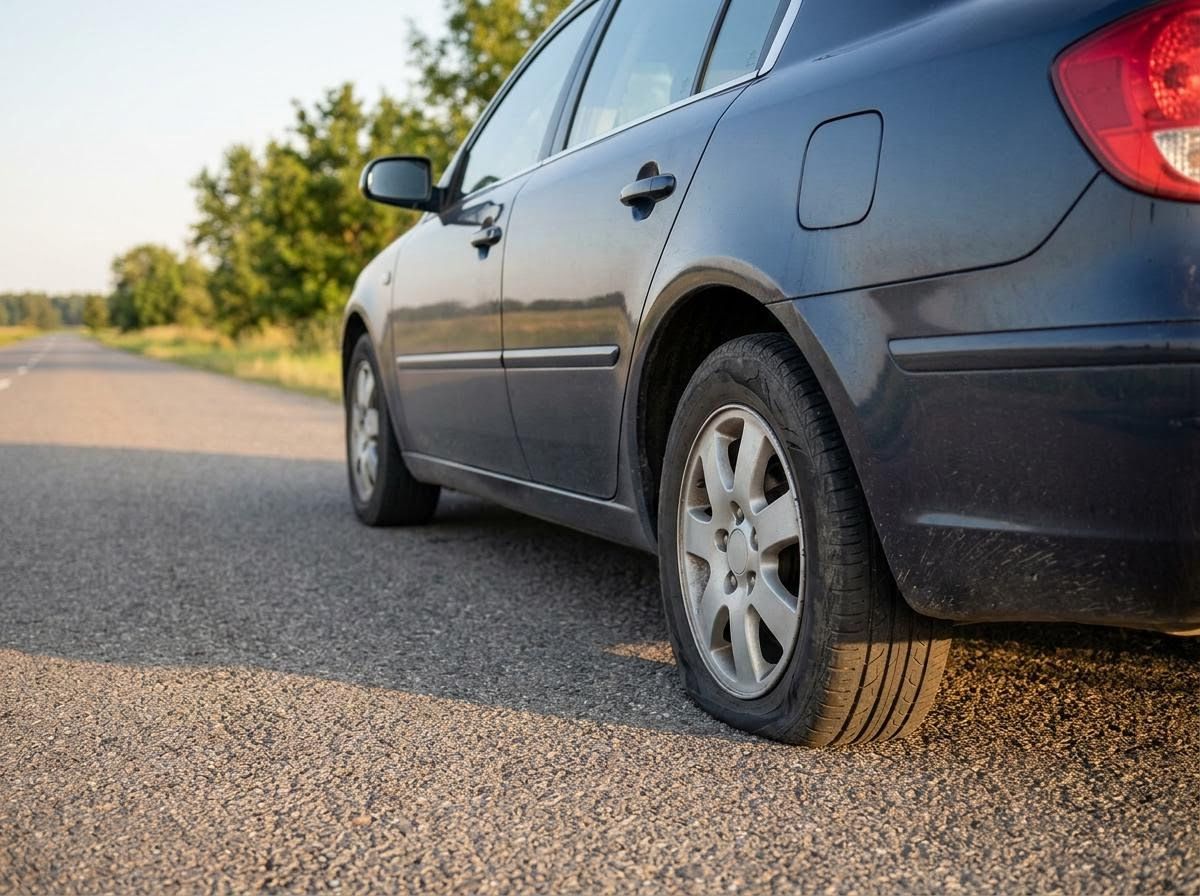
Maintaining your vehicle’s tires is paramount for both safety and performance. Properly inflated and well-maintained tires provide better handling, fuel efficiency, and can prevent dangerous blowouts. At Flemington Auto Care, we understand that knowing when to replace your tires isn't always obvious, but recognizing the signs of wear and tear is crucial for keeping you safe on the road!
Understanding Tread Depth
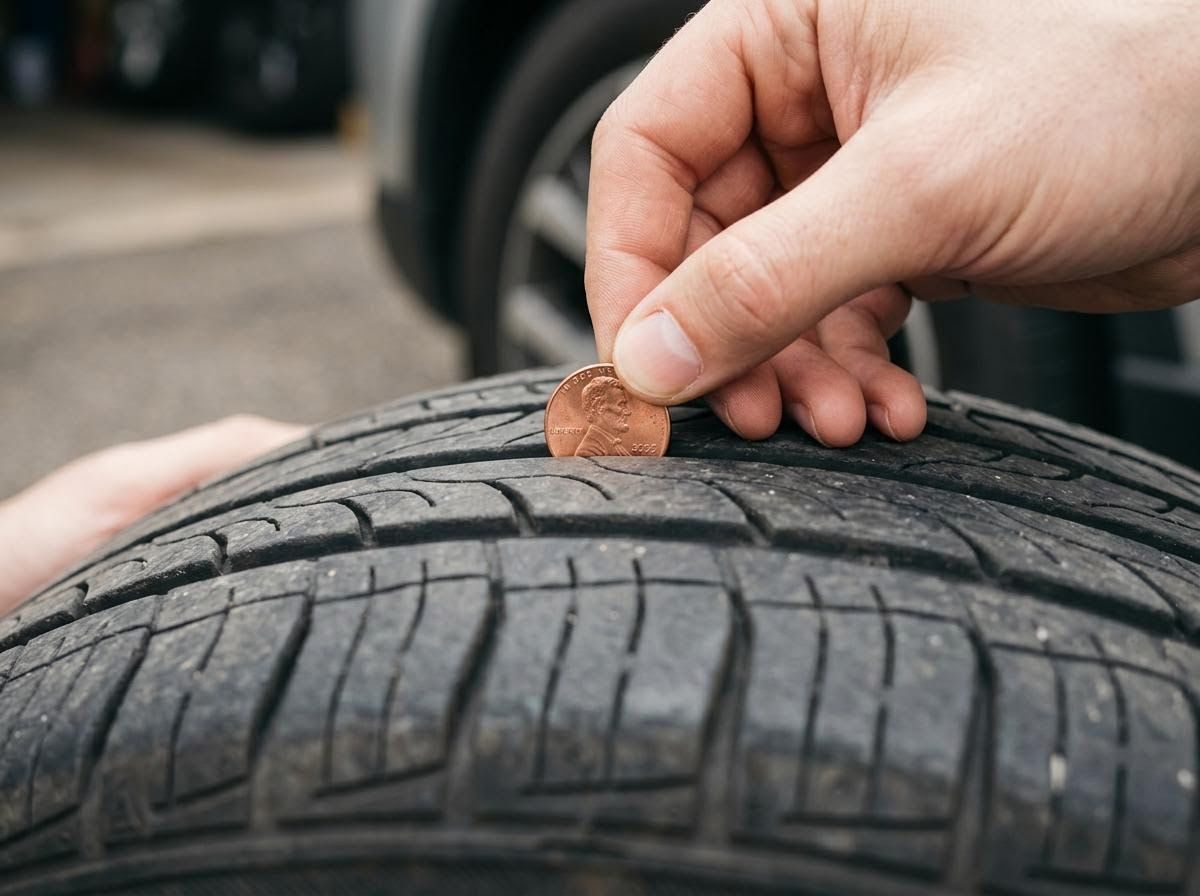
The tread on your tires is designed to grip the road, channel water away, and ensure proper braking. Over time, this tread wears down. A simple and common way to check your tire tread is with the "penny test." Insert a penny into a tire tread groove with Lincoln's head upside down and facing you. If you can see the top of Lincoln's head, your tread is shallow, and it's likely time for new tires. Driving on tires with insufficient tread significantly reduces your vehicle's ability to stop, especially in wet conditions, making them a serious safety hazard. Regular checks are a fundamental part of car maintenance and repair.
The Silent Killer: Tire Age
Beyond tread depth, the age of your tires plays a significant role in their safety and effectiveness. Even if your tires appear to have plenty of tread and aren't driven frequently, the rubber compounds can degrade over time due to exposure to UV light, extreme temperatures, and road chemicals. Most tire manufacturers and automotive experts recommend replacing tires that are six years old or older, regardless of their visual condition or mileage. Over time, the rubber can become brittle, leading to cracking and an increased risk of tire failure. You can usually find the tire's manufacturing date on the sidewall, indicated by a four-digit DOT code (e.g., "3519" means the 35th week of 2019).

Obvious Signs of Distress and Irregular Wear
Sometimes, the need for tire replacement is visibly clear. Look for obvious signs of damage such as cracks in the sidewall, bulges or blisters on the tire surface (which indicate internal damage), or punctures that are too large or too close to the sidewall to be safely repaired. Additionally, uneven wear patterns can signal underlying issues with your vehicle's alignment, suspension, or tire balance. If you notice one part of the tire is more worn than another, or if there's feathered or scalloped wear, it's not just a sign to replace your tires, but also to have a professional inspect the cause at an auto repair shop. Ignoring these signs can lead to premature wear of new tires and compromise your vehicle's handling.
Ultimately, being proactive about your vehicle’s tires is one of the best ways to ensure your safety and extend the life of your car. If you have any doubts or need assistance with tire inspections or replacements, the expert Flemington mechanic team at Flemington Auto Care is always here to help!